
What should a state do when served with English legal proceedings?
Practical guidance from recent case law by Jehad Mustafa, Partner and Head of Sovereign Advisory, Farrer & Co LLP and Rosanna Gregory, Associate, Employment, Farrer & Co LLP
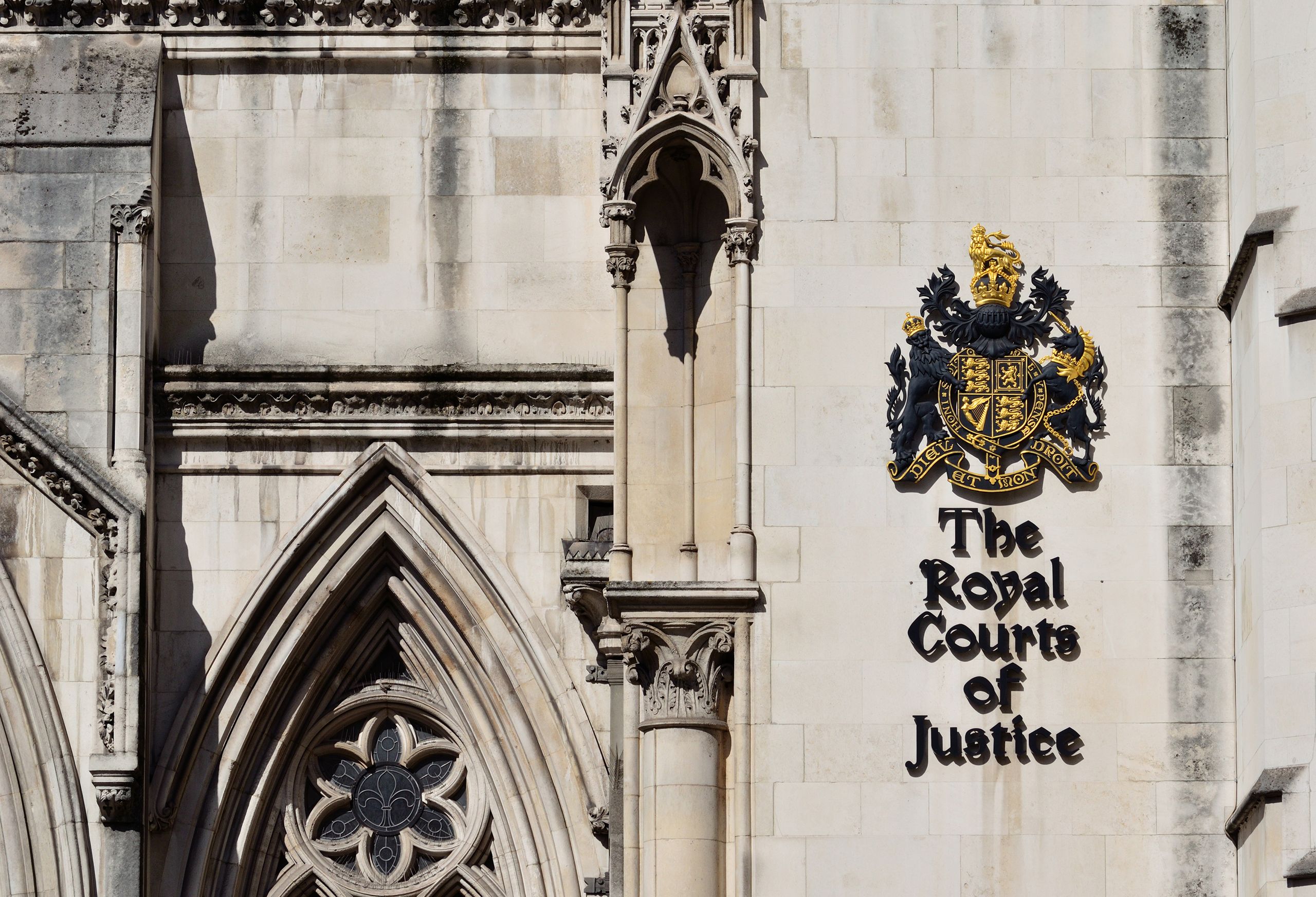

When a foreign state is served with English legal proceedings, which should be through the Foreign, Commonwealth and Development Office, it must respond carefully and correctly.
Two recent reported judgments, YZ v Embassy of Oman (2200026/2022) and Rukundo v Rwanda [2025] EWHC 1675 (KB), highlight the risks of mishandling service and misunderstanding how to assert state immunity.
This article offers practical advice for foreign embassies and missions on what to do (and what not to do) when served with legal proceedings.
Background
Before responding, a foreign state should assess:
• What type of claim is it? (eg employment, personal injury, contract dispute)
• Where is the claim being heard? (eg Employment Tribunal, High Court)
• Does the claim involve sovereign functions? (eg governmental decisions)
This matters because state immunity under the State Immunity Act 1978 may apply, but only in certain situations.
Case Study 1: YZ v Embassy of Oman
In this Employment Tribunal case, a former employee brought a claim against the Embassy of Oman for discrimination and unfair dismissal. The Embassy sought to claim immunity, but the Tribunal rejected this argument for two reasons:
1. Submission to jurisdiction
The Embassy responded to the claim with reference to the case’s details and without clearly asserting immunity. This was seen as voluntarily accepting the court’s authority, and therefore waiving its right to immunity.
If a state wants to claim immunity, it must say so clearly and immediately and should serve a response in which the only assertion made is one of immunity. Any discussion of the case’s details can be seen as accepting the court’s jurisdiction.
2. Nature of the job
The employee’s role involved clerical support for students, not sovereign or diplomatic functions.The Tribunal held that such work could have been done by a private person and the employee’s functions were not governmental functions so did not qualify for immunity.
Immunity might not apply to jobs that are administrative, clerical, or commercial.
Case Study 2: Rukundo v Rwanda
This High Court case involved allegations of harassment and surveillance by Rwandan agents. The key issue was whether Rwanda had been properly served with the legal documents.
1. Valid service via the FCDO
The Foreign, Commonwealth & Development Office (FCDO) delivered the claim documents to Rwanda’s Ministry of Foreign Affairs in the UK. Even though the documents were later returned, the Ministry had opened and reviewed them, which counted as valid service under UK law.
A state cannot avoid service by returning documents. If the documents are received and reviewed (even briefly) that may be sufficient.
2. Certificate of service
The FCDO issued a certificate confirming delivery. The court held this certificate was strong evidence that service had occurred.
Treat FCDO certificates seriously. If you dispute them, act quickly and provide clear evidence.
3. Relief from sanctions
Rwanda missed the deadline to respond and had to ask the court for permission to challenge the claim. The court allowed it, but only if Rwanda paid the other side’s legal costs.
If you miss a deadline, act fast. Courts may forgive delays, but they often impose cost penalties.

Key dos and don’ts for foreign states served via the FCDO
Do:
• Respond promptly through diplomatic and legal channels.
• Get legal advice from experts in English law and state immunity and instruct lawyers early to avoid mistakes.
• If appropriate and after receiving legal advice, assert immunity clearly and promptly.
• Keep records of all communications and documents.
Don’t:
• Engage in correspondence regarding the case’s details if you are seeking to assert immunity.
• Assume all claims are covered by immunity.
• Delay your response: English courts may proceed without you.
• Ignore the rules of the specific court or tribunal.
Conclusion
UK courts are taking a hardline approach to state immunity, especially in employment and civil cases. As shown in the Oman and Rwanda cases, procedural mistakes can lead to states losing their immunity and exposing themselves to litigation. Foreign missions should act swiftly, assert immunity properly and understand the nature of the claim. Legal advice and early action are essential.
Many thanks to Elisheva Joshua, current trainee in the team, for her help in preparing this article. This publication is a general summary of the law. It should not replace legal advice tailored to your specific circumstances.
About the authors
Jehad Mustafa
Partner and Head of Sovereign Advisory,
Jehad advises states, embassies, individuals and companies on sensitive and complex litigation and dispute prevention and resolution. He has experience acting for governments and defending foreign states from claims in the English courts and in arbitration proceedings internationally.
E: jehad.mustafa@farrer.co.uk
T: +44 (0)20 3375 7080
Rosanna Gregory
Associate, Employment
 Built with Shorthand