
Taking the Power of Culture Forward:
Turquoise Mountain fosters Afghan
Craftsmanship on the Global Stage, while announcing a new partnership with Alwaleed Philanthropies on the Future of Artisanship, reports Venetia van Kuffeler
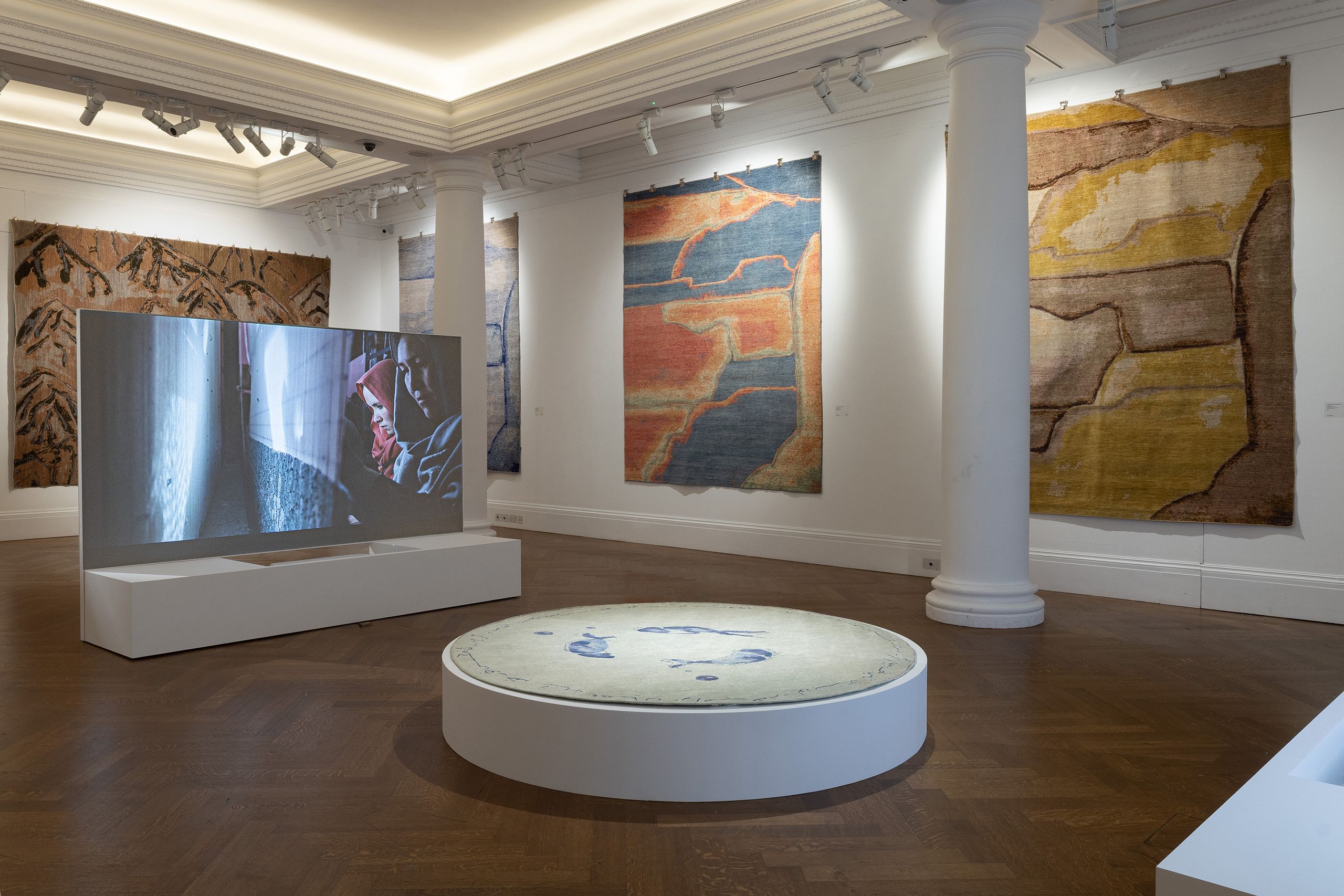

As Turquoise Mountain marks its twentieth year, a recent exhibition Weaving Poems offers more than an artistic showcase; it serves as a testament to resilience, cultural preservation, and the power of heritage to foster global understanding.
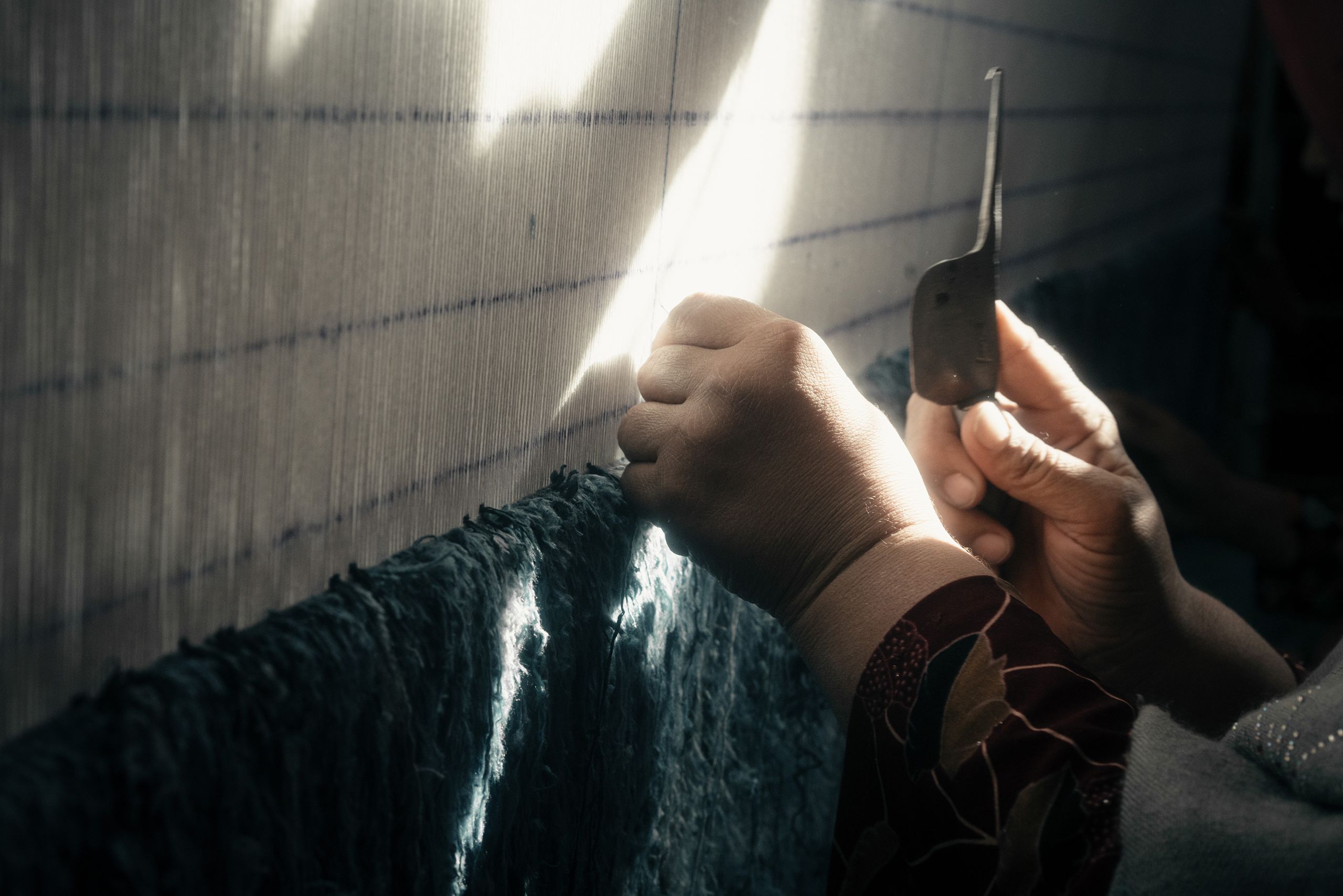
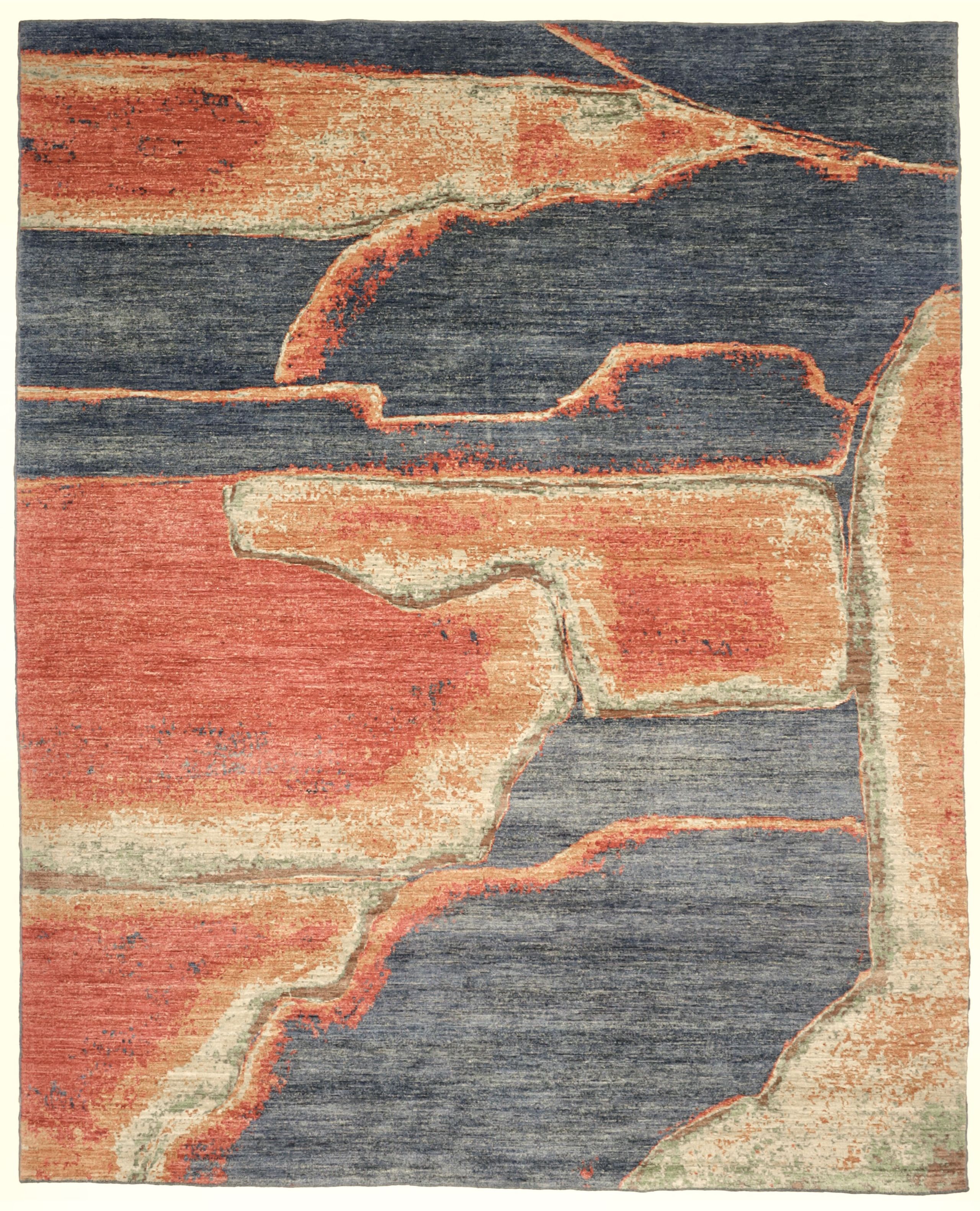
First unveiled at Qatar Museums’ inaugural Design Doha 2024, Weaving Poems was created in collaboration with Afghan designer Maryam Omar and 21 women weavers from Bamiyan, central Afghanistan. Their handwoven carpets reflect the breathtaking Bamiyan landscape, and the poetry often recited during the weaving process. For Shoshana Stewart, President of Turquoise Mountain, the exhibition’s essence lies not only in the beauty of the works but also in the recognition of the women who produced them. “We hope audiences recognise the talent and resilience of the weavers themselves,” she notes.
Founded by His Majesty King Charles III (then Prince of Wales) in 2004, Turquoise Mountain has worked across regions affected by conflict and fragility, from Afghanistan to Myanmar. Its mission is clear: to support artisans and communities in protecting and revitalising cultural heritage. Over two decades, the organisation has connected thousands of artisans to international markets, offering sustainable livelihoods where few other economic opportunities exist. Stewart emphasises that revenues generated from these initiatives go directly to the artisans and the charity’s wider mission.
For women in places like Bamiyan, being seen and heard on the global stage is critical. Stewart describes it as “absolutely vital,” underlining the privilege of working alongside artisans such as Fatema, Zahra, and Maryam, whose craftsmanship speaks powerfully for Afghan heritage. Prestigious cultural platforms—whether Sotheby’s recent summer exhibition in London or Design Doha in Qatar—offer artisans opportunities not only to gain recognition but also to challenge themselves artistically, bringing their very finest work to international audiences.

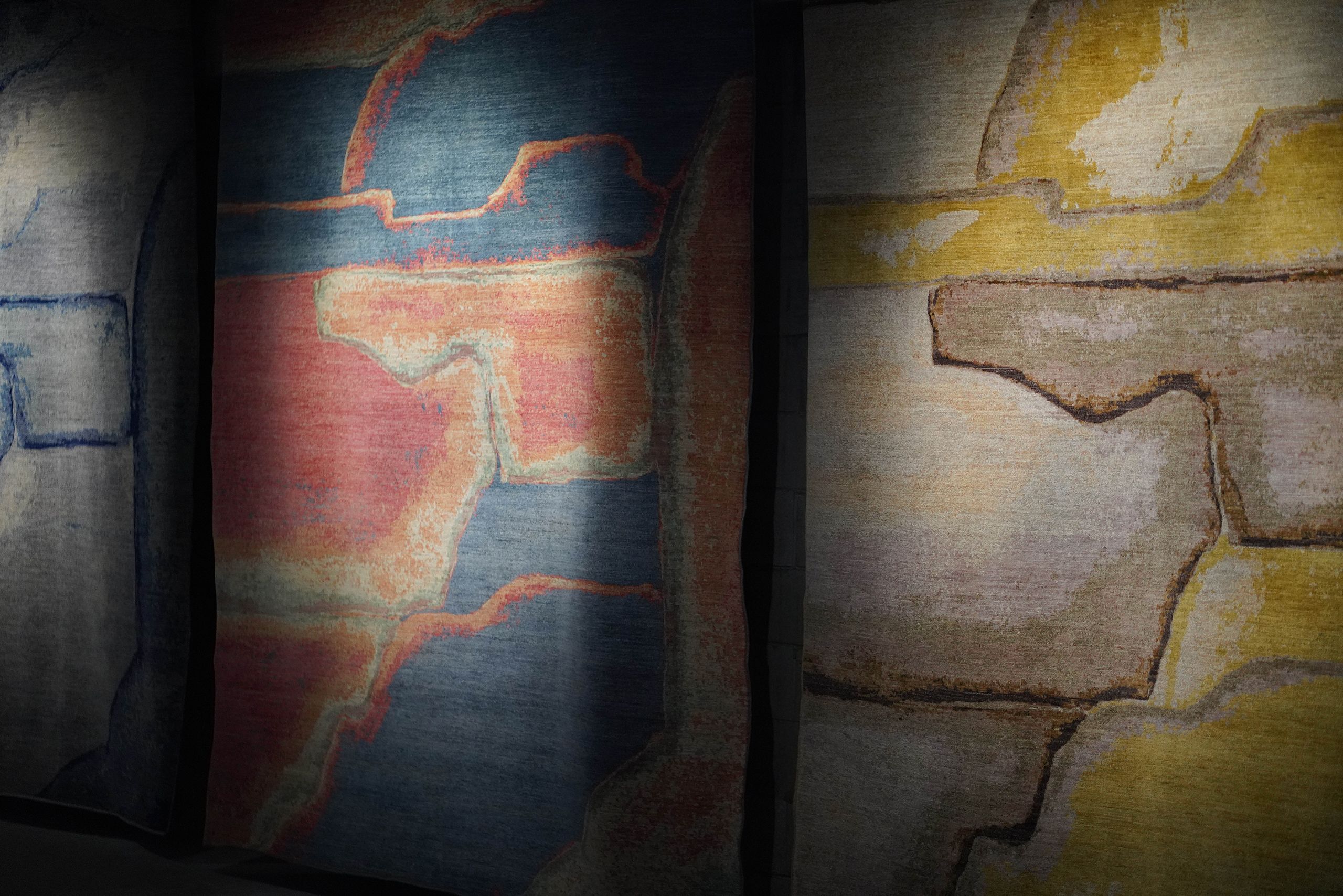
Inaugural Design Doha Biennale 2024
Inaugural Design Doha Biennale 2024
In a time of geopolitical tension, Stewart views such initiatives as essential vehicles of soft diplomacy. “Traditional crafts can create conversations between people that transcend language and politics,” she reflects. Exhibitions and international collaborations allow audiences to engage directly with artisans’ human stories—offering a counter-narrative to conflict-driven portrayals of regions like Afghanistan.
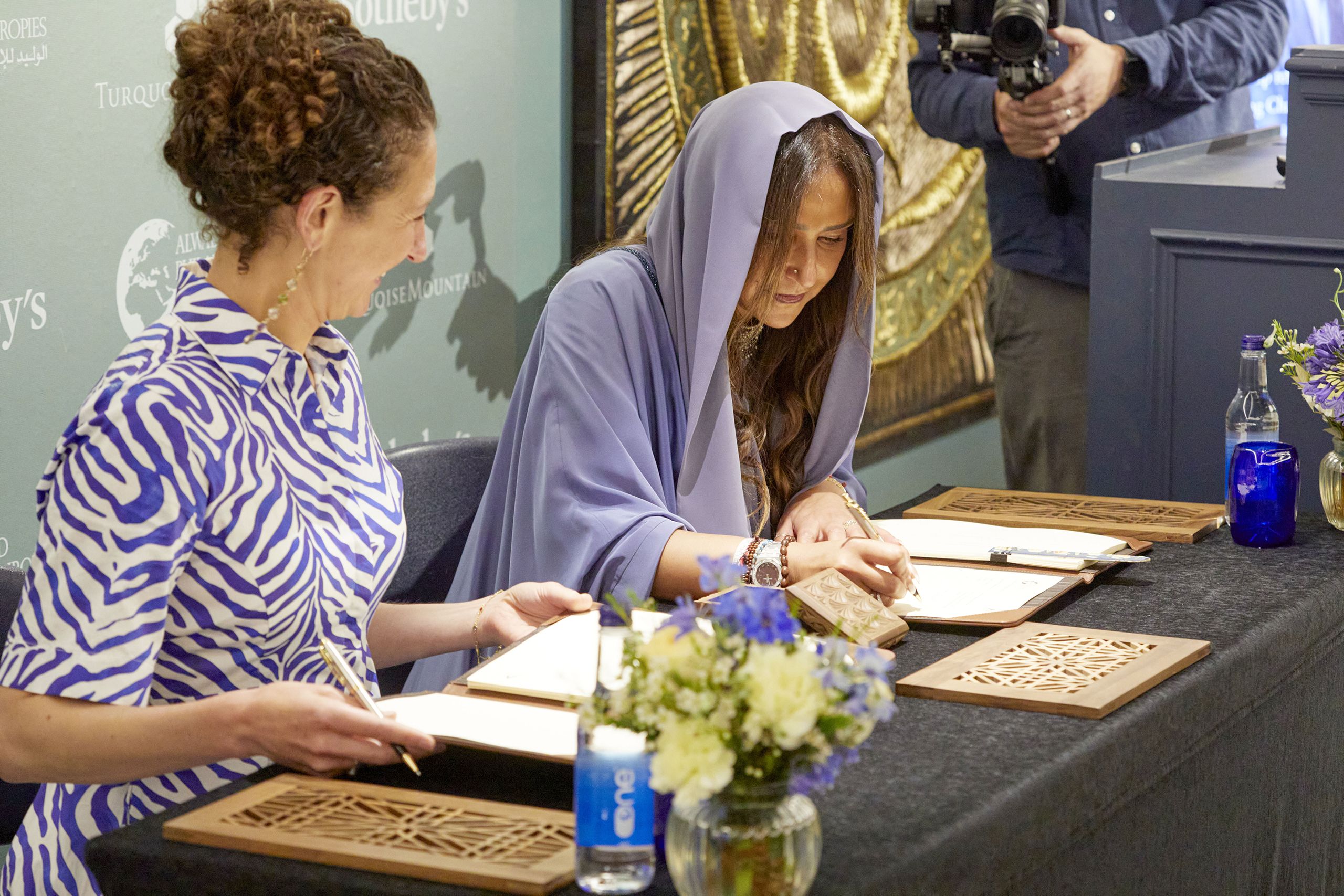
This year also marks the beginning of a significant new chapter. At the London opening of Weaving Poems, Turquoise Mountain announced a five-year partnership with Saudi Arabian NGO Alwaleed Philanthropies, entitled Connecting Artisans to Market: Taking the Power of Culture Forward. The programme will support at least 2,000 artisans across the Middle East and Asia by creating sustainable routes to market. It promises new jobs, creative collaborations, and cross-cultural exchanges. “Thousands of artisans from the Middle East and Asia will reach across cultures to create truly unique and new pieces and provide incomes for their their families,” Stewart notes.

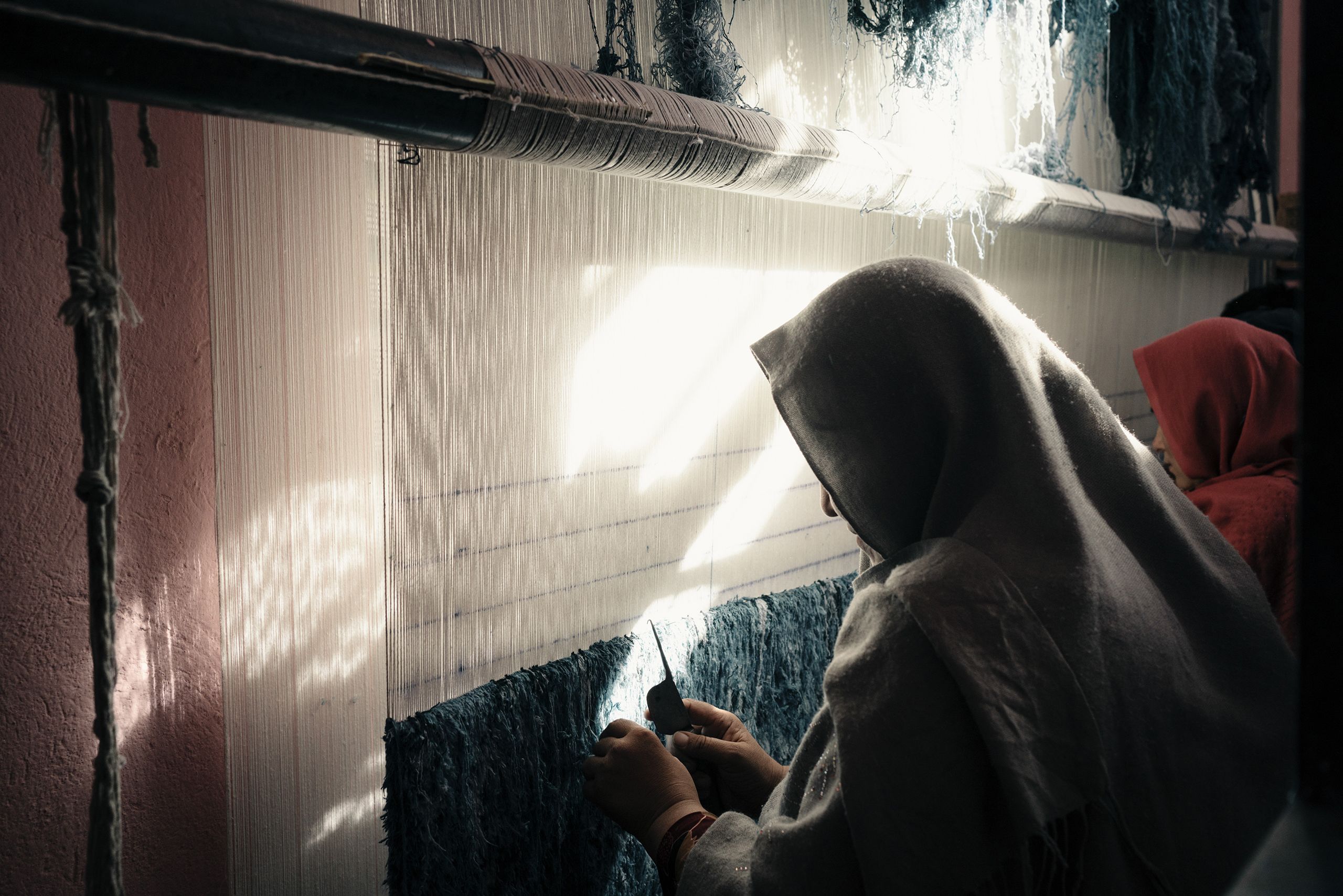


HRH Princess Lamia bint Majed Al Saud of Alwaleed Philanthropies explains that the “renewed partnership builds on nearly two decades of shared dedication to empowering artisans and preserving cultural heritage. It reflects a strong belief in the power of culture to enrich lives and strengthen communities globally.”
The alliance is also aligned with Saudi Vision 2030. By equipping artisans—particularly women and youth—with skills, tools, and access to markets, the programme connects heritage to sustainable development goals such as gender equality, decent work, and sustainable communities. “Through our partnership with Turquoise Mountain, we developed valuable insights that helped shape our own artisan workshops across the Kingdom, blending tradition with innovation,” Princess Lamia says.
Alwaleed Philanthropies’ global experience further strengthens this initiative. With more than 1,000 projects across 190 countries—reaching over 1.5 billion people—the foundation has long embraced culture as a vehicle for empowerment. “That kind of global footprint taught us to always focus on impact,” Princess Lamia reflects. “Real change happens when people are empowered to shape their own futures.”
Under the guidance of HRH Prince Alwaleed bin Talal Al Saud and managed by a dedicated team of ten Saudi women, the foundation’s five pillars—empowering women and youth, developing communities, providing disaster relief, bridging cultures, and innovating for the future—shape all of its work. This global legacy informs the design of Connecting Artisans to Market, ensuring it is not only ambitious but also practical, inclusive, and scalable.



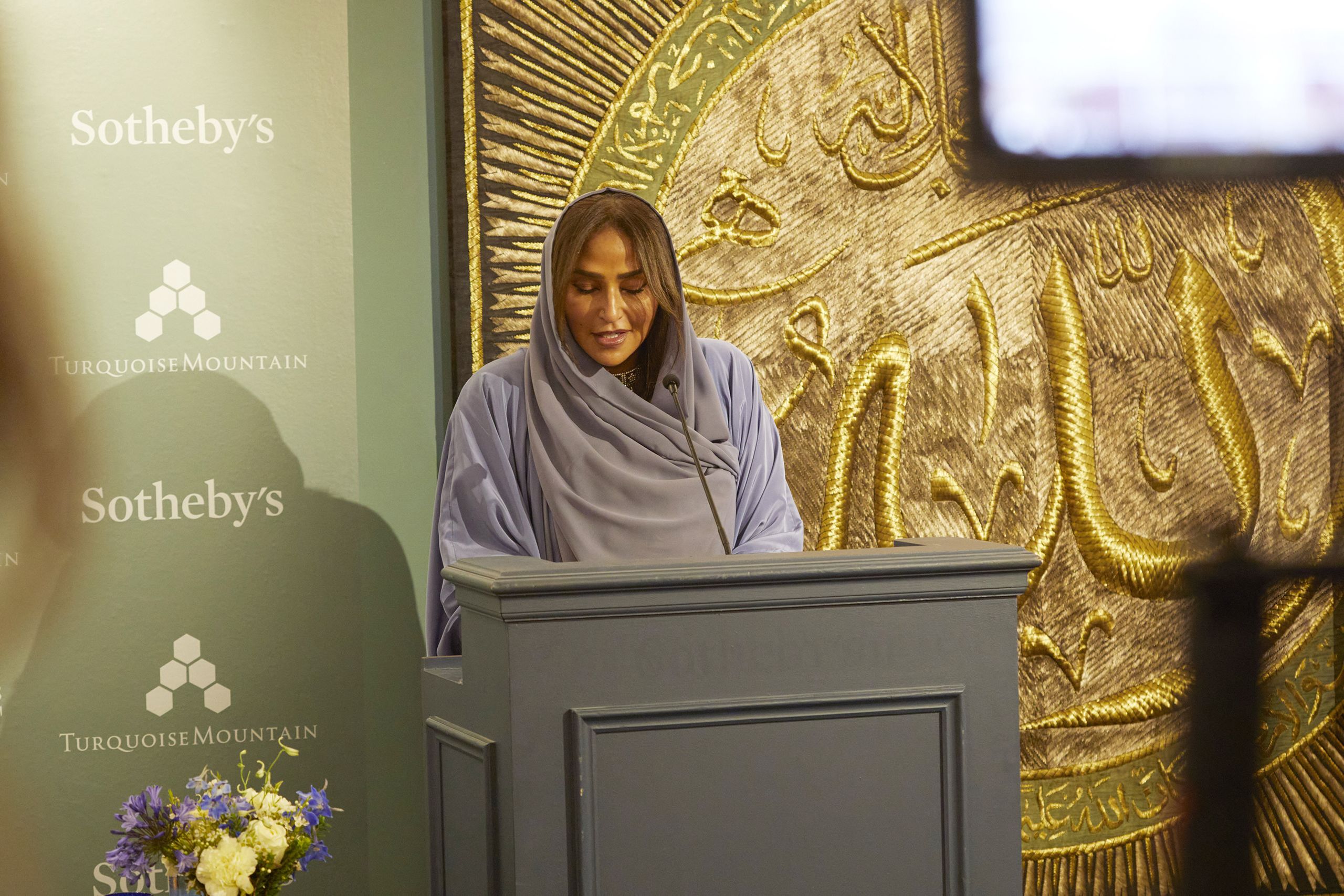

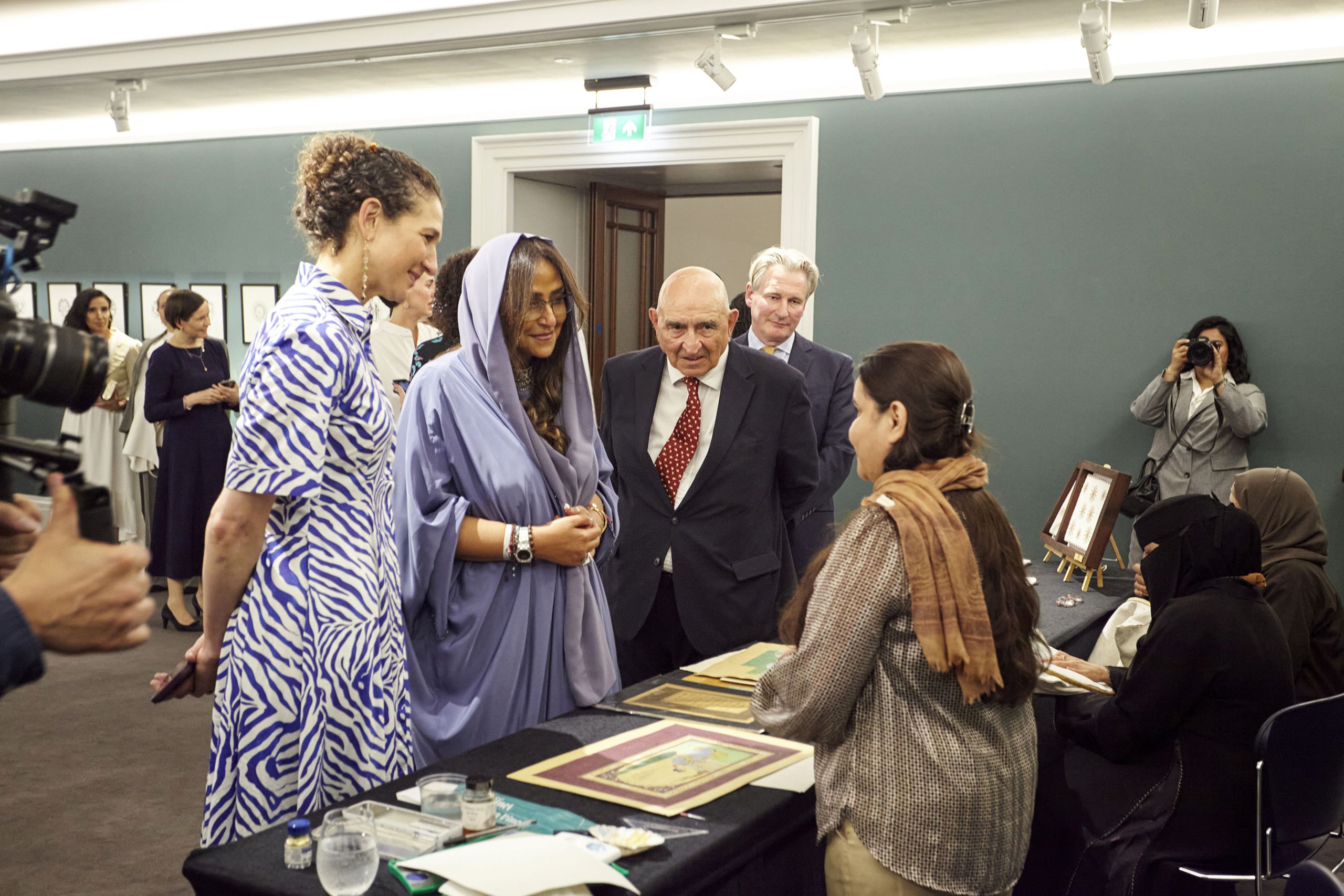
For Princess Lamia, culture is not a luxury, but a bridge. “Ultimately, this programme highlights how culture can be both a treasured inheritance and a catalyst for social progress,” she says. “It advances our mission to foster stronger, more inclusive societies by bridging tradition with innovation and creating meaningful opportunities for communities around the world.”
Two decades after its founding, Turquoise Mountain continues to affirm the enduring relevance of cultural heritage. Weaving Poems stands as a reminder that craftsmanship is not only a means of livelihood, but also a bridge across cultures—a quiet yet powerful form of diplomacy in its own right.
 Built with Shorthand