Sir Viv Richards and
the Commonwealth
Moment: Championing
Commonwealth Unity
in a Changing World
ahead of CHOGM 2026
Interview by Venetia van Kuffeler
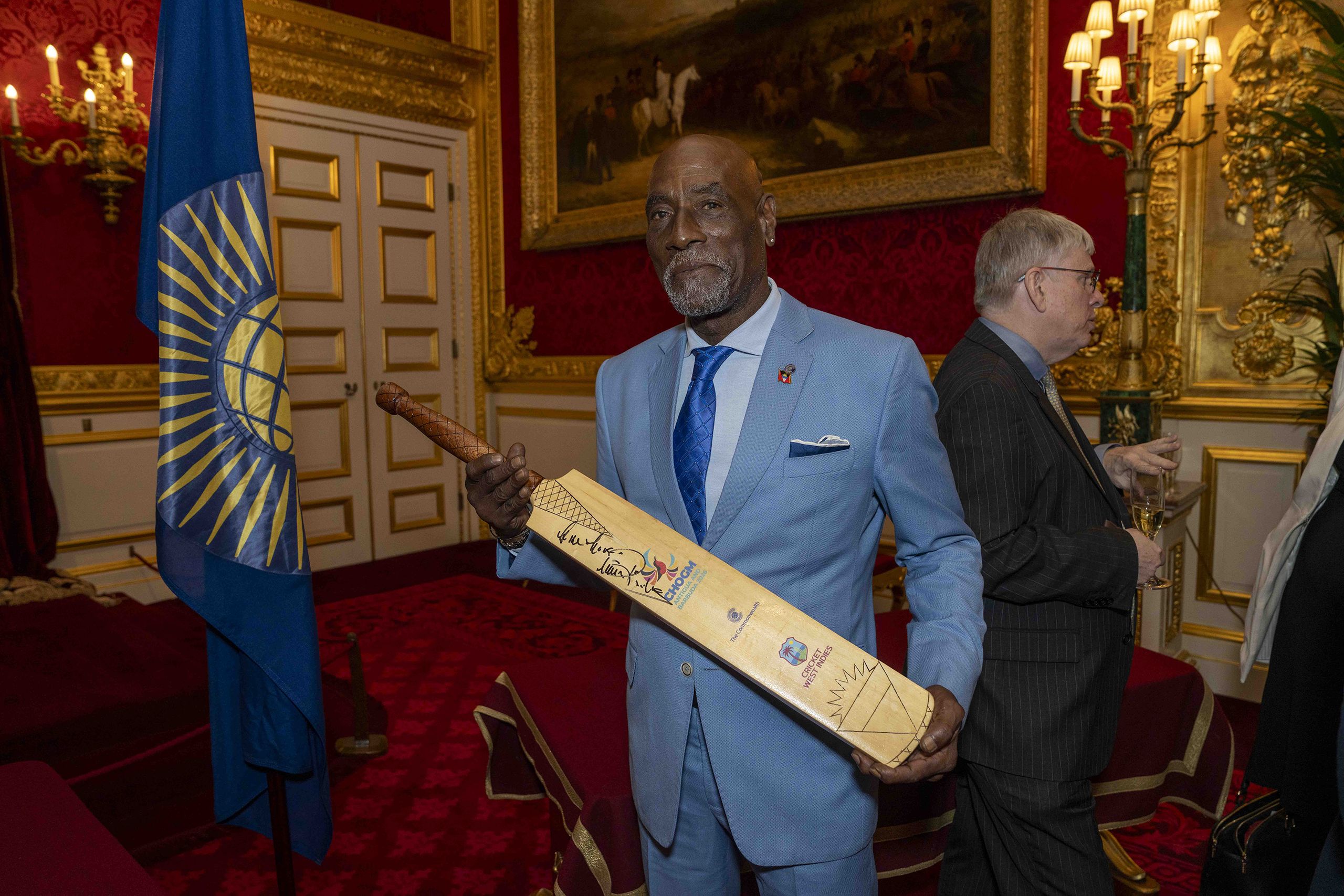

As the Commonwealth approaches a defining year, the appointment of Sir Vivian Richards as the first-ever official Envoy for the Commonwealth Heads of Government Meeting (CHOGM) signals both continuity and renewal within the 56-member organisation.
Widely regarded as one of the globe’s greatest figures in cricket, Richards now represents Antigua and Barbuda – the upcoming host of CHOGM 2026 – as it prepares to welcome leaders from across the Commonwealth to its shores. For the small island state, the moment is both symbolic and strategic: a demonstration of the Commonwealth’s commitment to inclusivity and shared leadership among nations of all sizes.

A pivotal Commonwealth Day
This year’s Commonwealth Day, observed globally on 9 March 2026, carries particular importance as the last significant event ahead of CHOGM.
Held annually on the second Monday in March since 1977, Commonwealth Day brings together the organisation’s 2.7 billion citizens—nearly one-third of the world’s population—in a shared moment of reflection and celebration. In recent years, it has evolved into a week-long programme of cultural, educational and civic activities spanning continents.
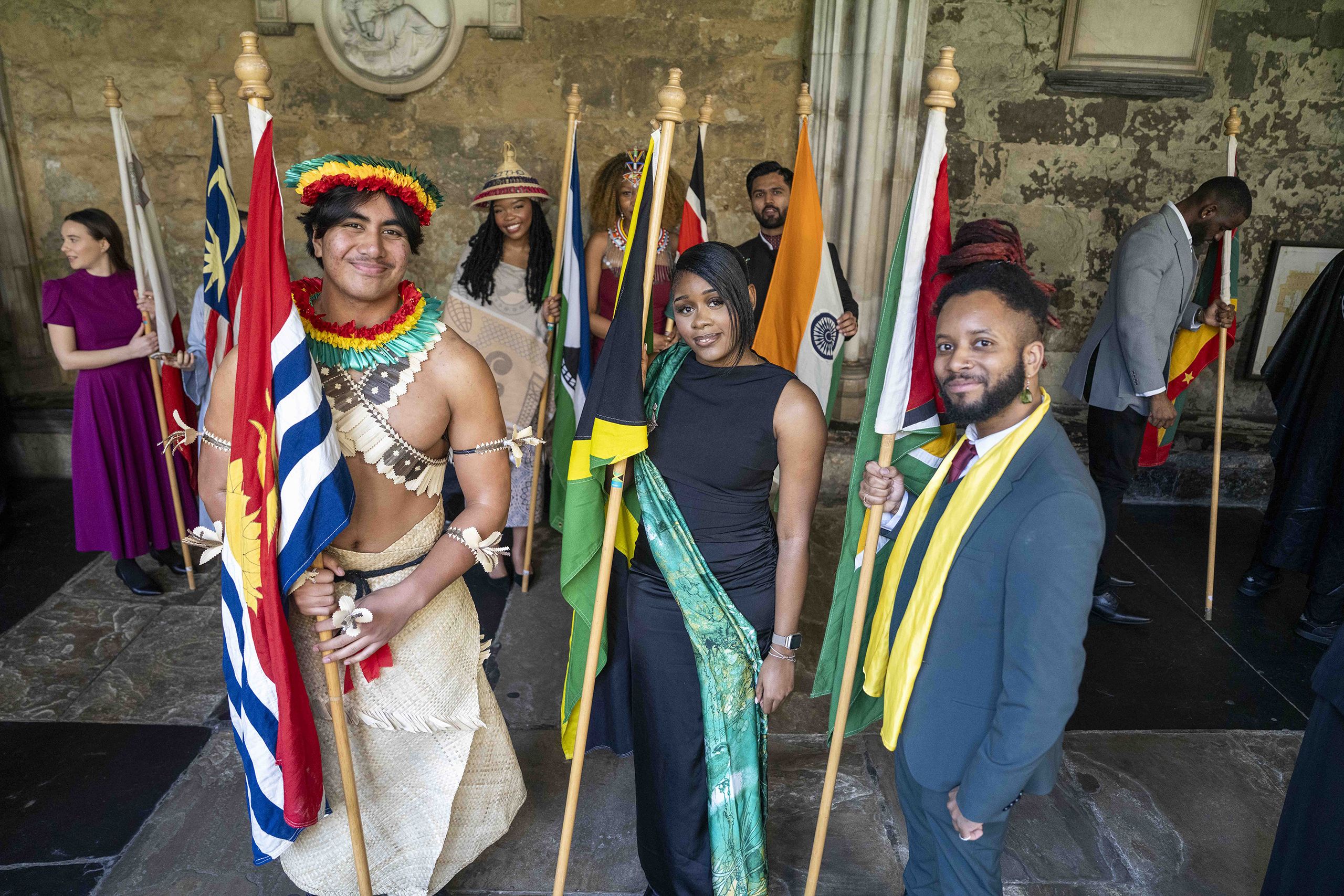
The 2026 theme, ‘Unlocking opportunities together for a prosperous Commonwealth,’ underscores a collective focus on economic inclusion, education, and sustainable development. Across member states – from Samoa to Saint Lucia – celebrations reflect local traditions while reinforcing shared values. Events range from school programmes and faith-based services to cultural festivals, health initiatives, and digital campaigns highlighting social progress.
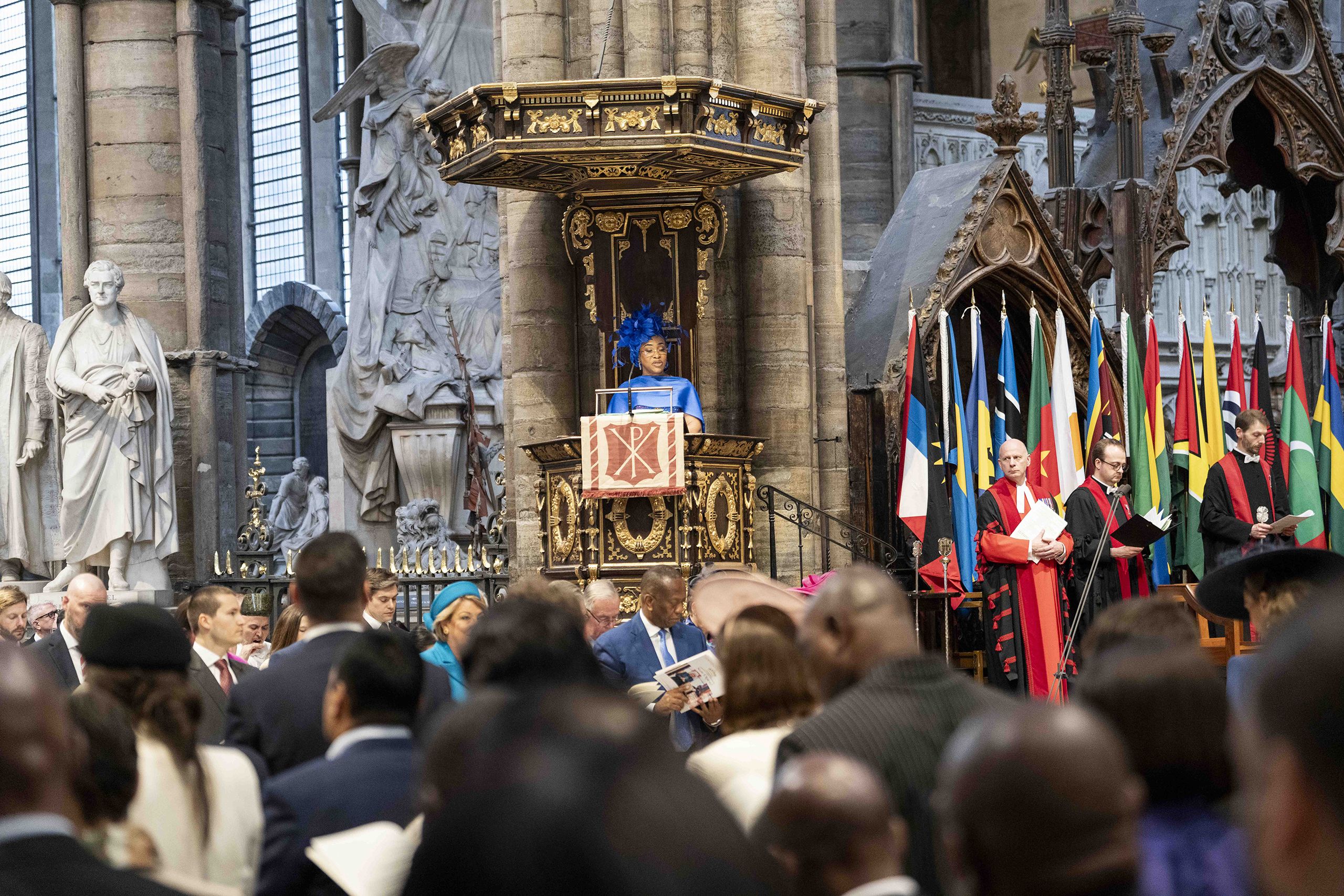
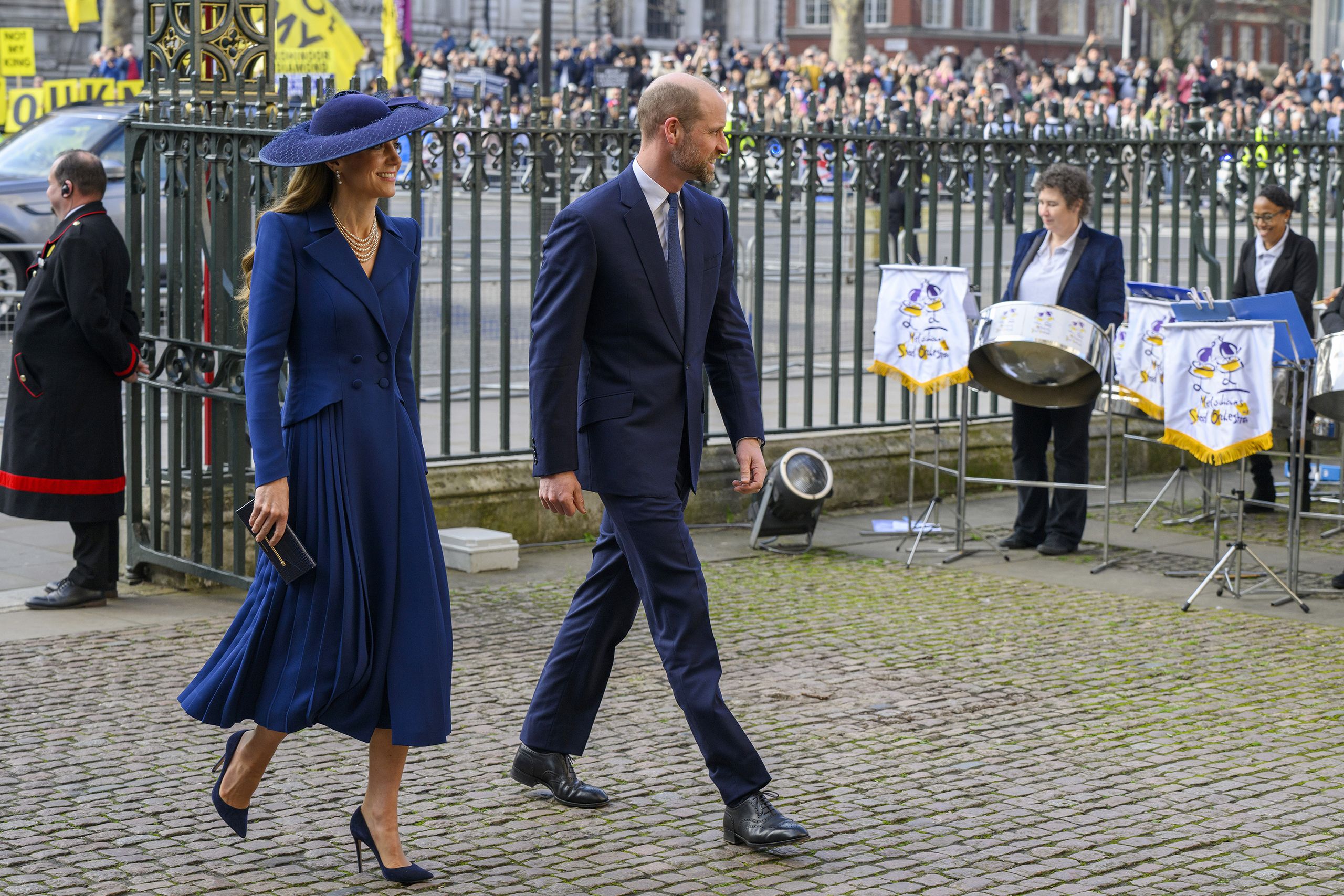
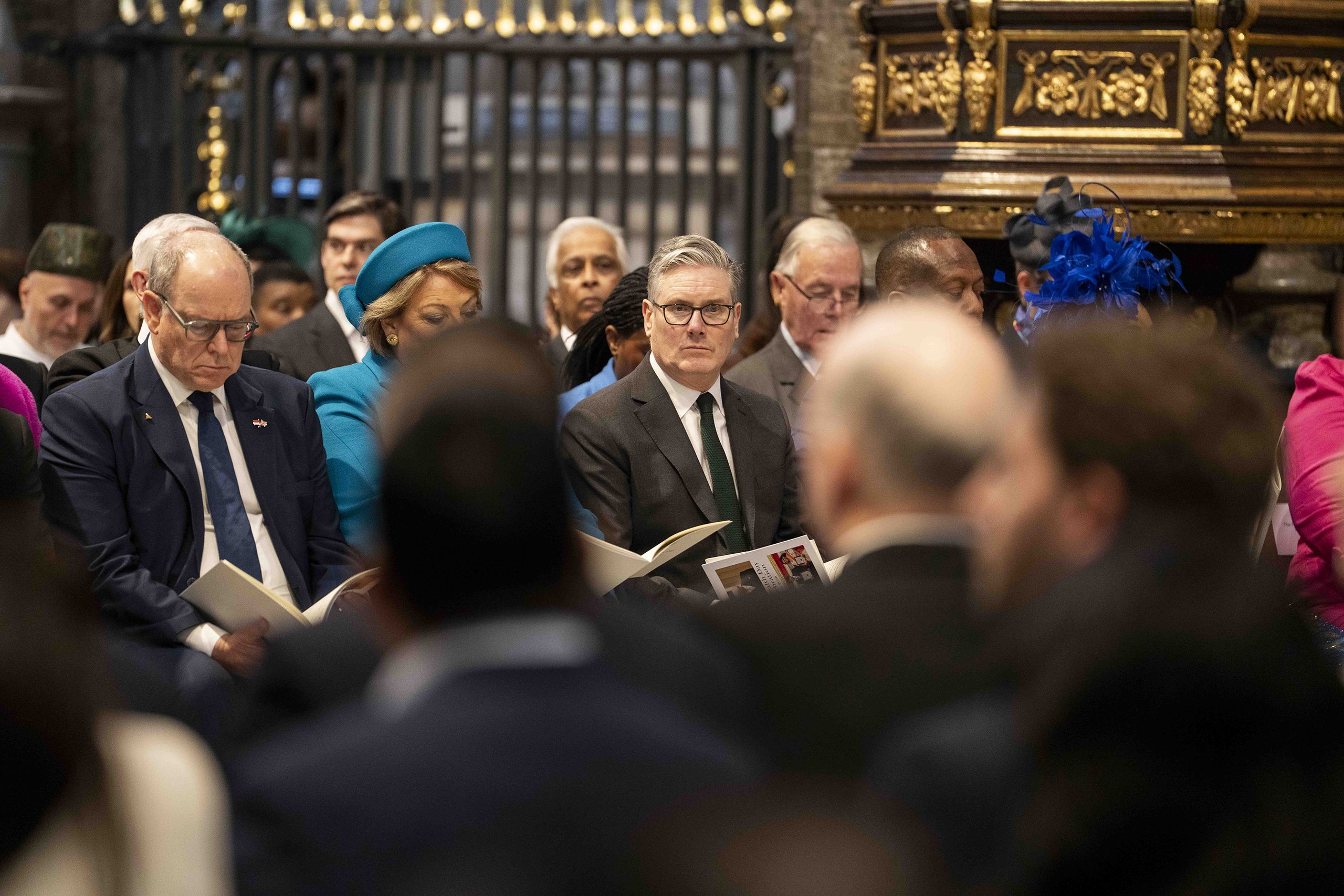
In London, the centrepiece remains the multi-faith Commonwealth Day Service at Westminster Abbey, attended by His Majesty King Charles III, members of the Royal Family, political leaders, diplomats, youth representatives, and civil society actors. Organised by the Royal Commonwealth Society, the service brings the Commonwealth’s diversity to life through music, readings, and performance.
For Richards, attending the service for the first time was a deeply resonant experience. He described the occasion as both “peaceful and powerful,” particularly in the context of mounting global uncertainty. “The gathering,” he suggested, “illustrates the importance of dialogue and shared purpose.”
Diplomacy through culture and sport
Sir Viv’s appointment as Envoy reflects a broader recognition of the role that cultural figures can play in diplomacy. Cricket—arguably the Commonwealth’s most widely shared sport—serves as a unifying force across continents.
Drawing on his experience representing the West Indies internationally, Richards emphasises the values embedded in the game: fairness, respect, and mutual understanding. These principles, he argues, translate naturally into the diplomatic sphere.
“Cricket has always represented fair play and people coming together,” he notes. “You compete hard, but you also respect the outcome. That spirit is something the world needs more of.”
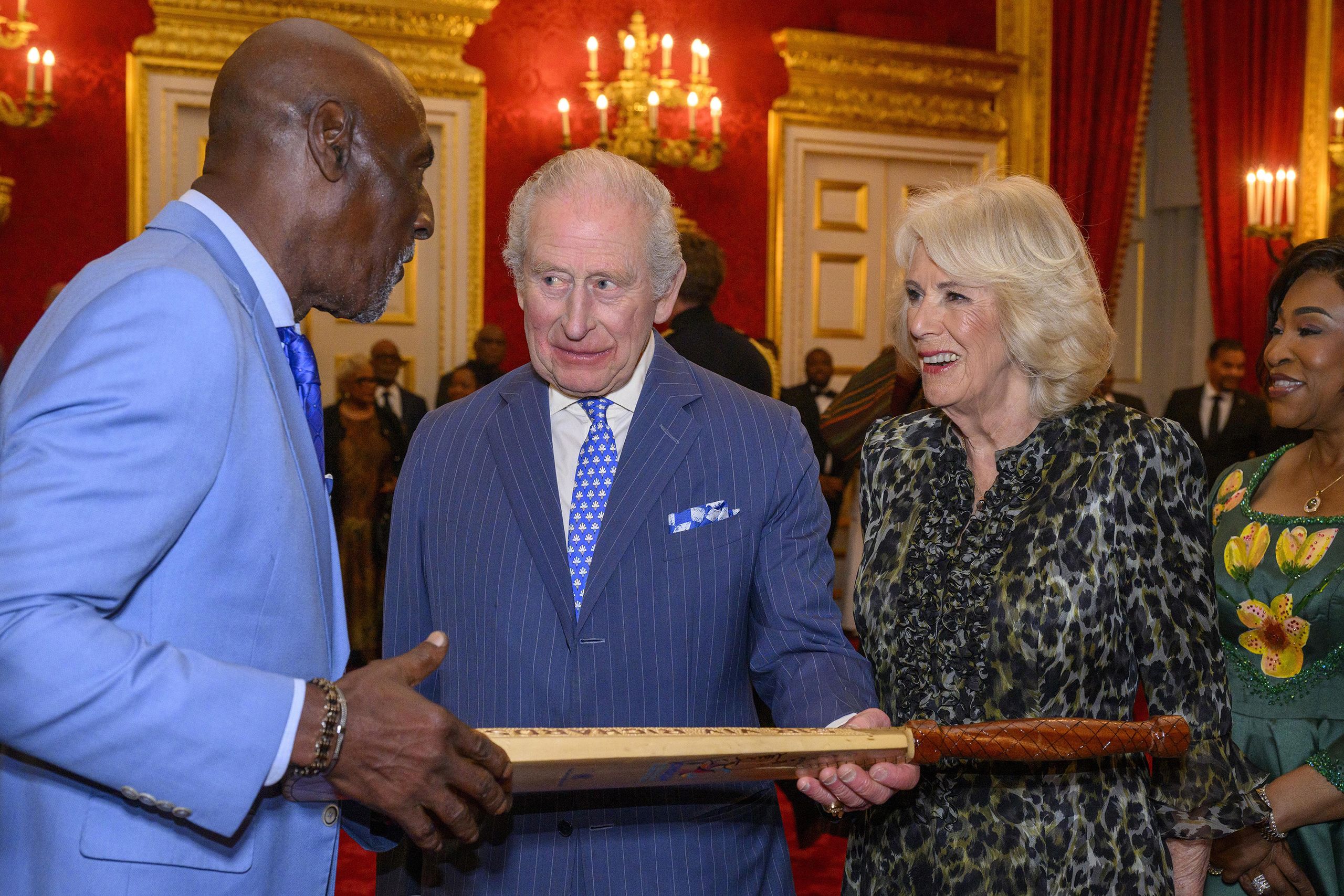
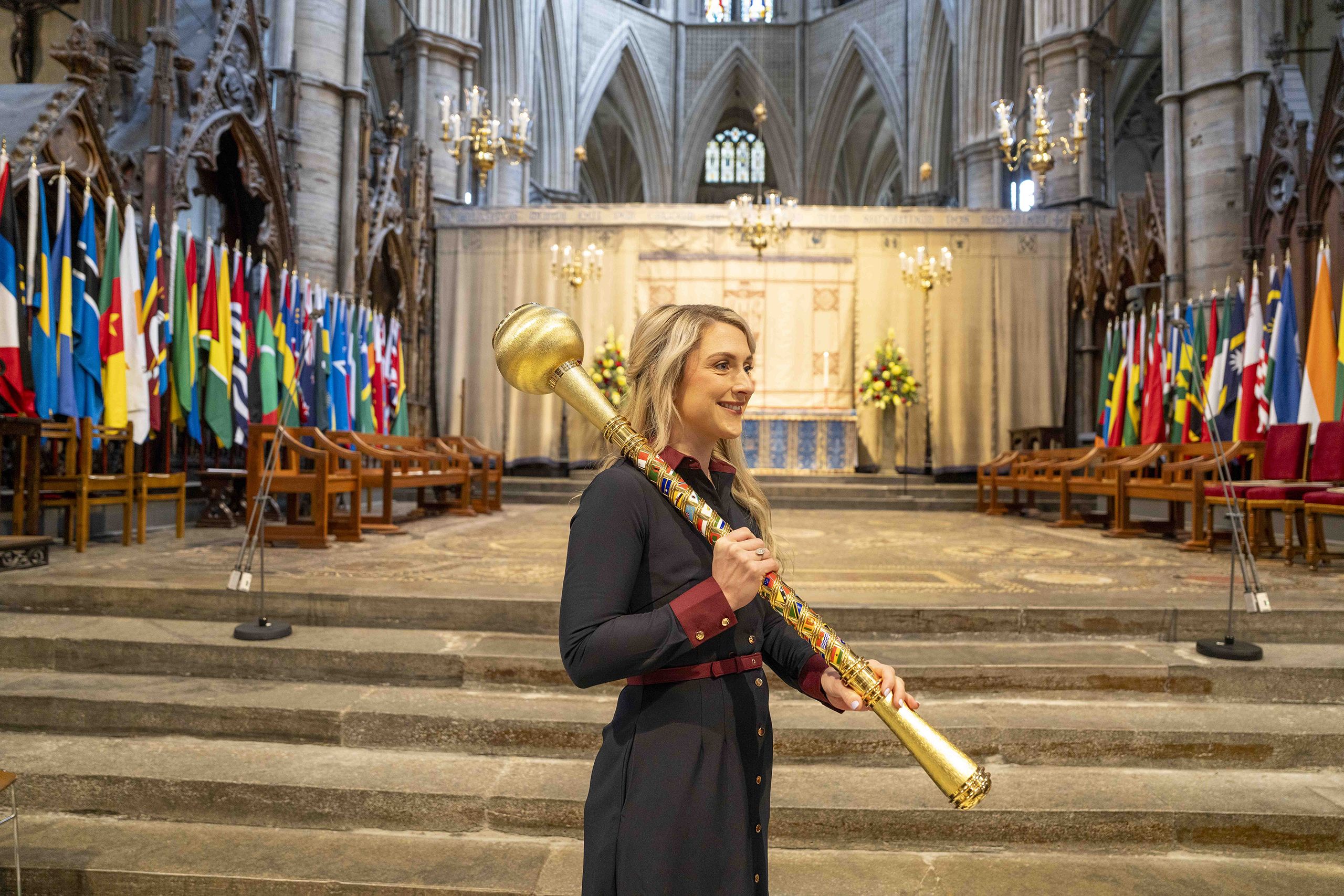
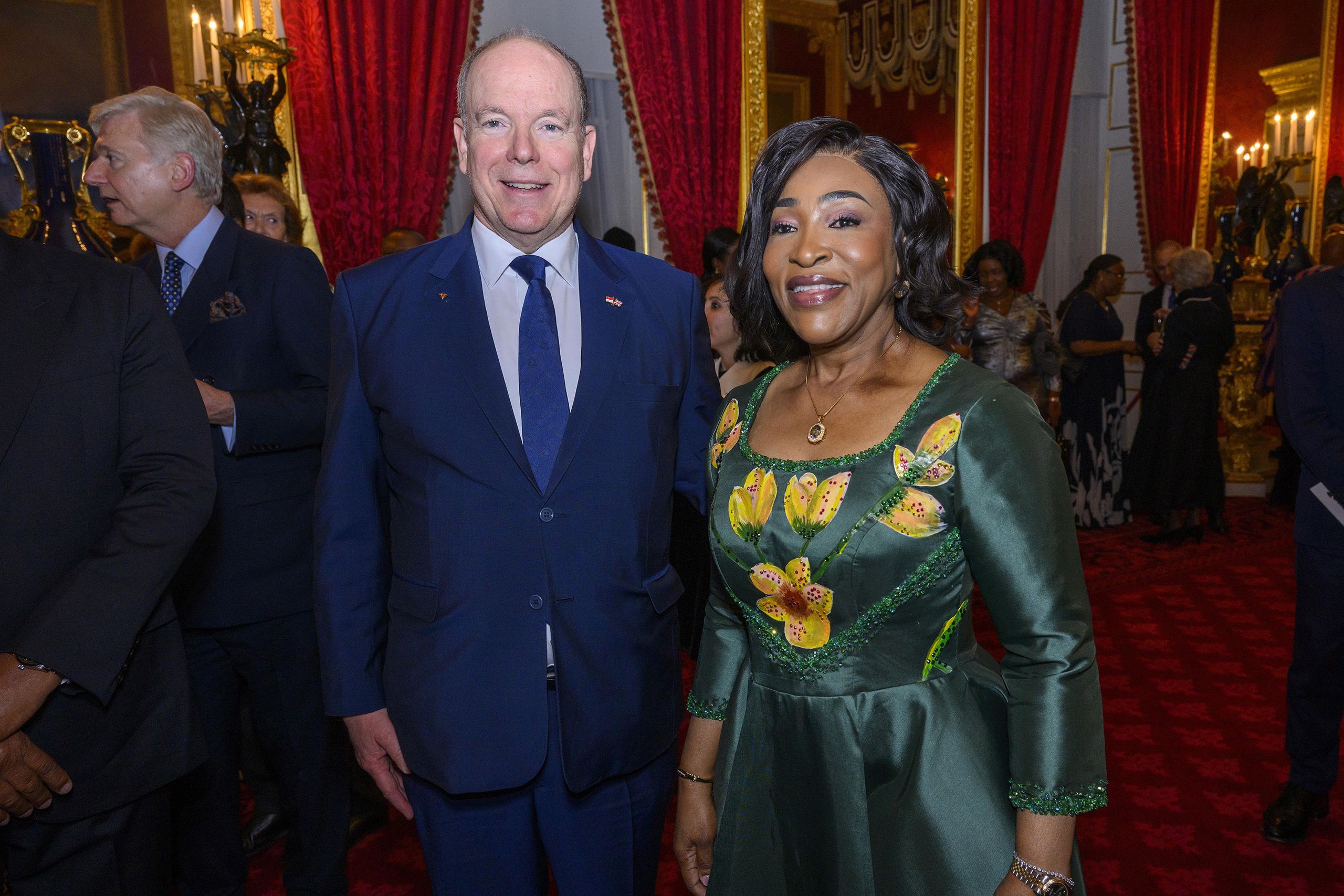
His presence in London during Commonwealth Week extends beyond ceremonial duties. As part of the programme, he presented a commemorative cricket bat to King Charles III at a reception at St James's Palace—a symbolic gesture linking sport, history, and diplomacy. He also addressed a heritage event hosted by the Antiguan and Barbudan High Commission, engaging directly with the diplomatic community and the diaspora in London.



The Commonwealth in a changing global order
The significance of these engagements is heightened by the broader geopolitical context. As global alliances evolve, the Commonwealth is increasingly positioned as a flexible and values-based network.
In his reflections, Richards points to a world facing complex challenges—from conflict and climate change to economic inequality and social transformation. In such an environment, he argues, “the Commonwealth’s emphasis on dialogue and cooperation is more relevant than ever.”
This perspective is echoed in Commonwealth Day messages from global leaders. King Charles III highlighted both “great challenge and great possibility,” emphasising that the Commonwealth can remain “a force for good” grounded in sustainability, cultural exchange, and collective responsibility.
Similarly, Commonwealth Secretary-General Shirley Botchwey described the organisation as a platform where nations can “choose cooperation over division, dialogue over discord, and partnership over isolation.”
Together, these messages reinforce a central idea: that the Commonwealth’s strength lies not in formal power, but in its ability to convene, connect, and catalyse action across diverse societies.
CHOGM 2026: A defining opportunity
Looking ahead, CHOGM 2026 represents a critical opportunity to translate these principles into tangible outcomes.
“56 nations will visit our small islands, and we are excited to be hosting this global event,” Sir Viv notes. “We are also very thankful to our High Commissioner in London, Her Excellency Karen-Mae Hill OBE for making this happen and everything she has achieved.”

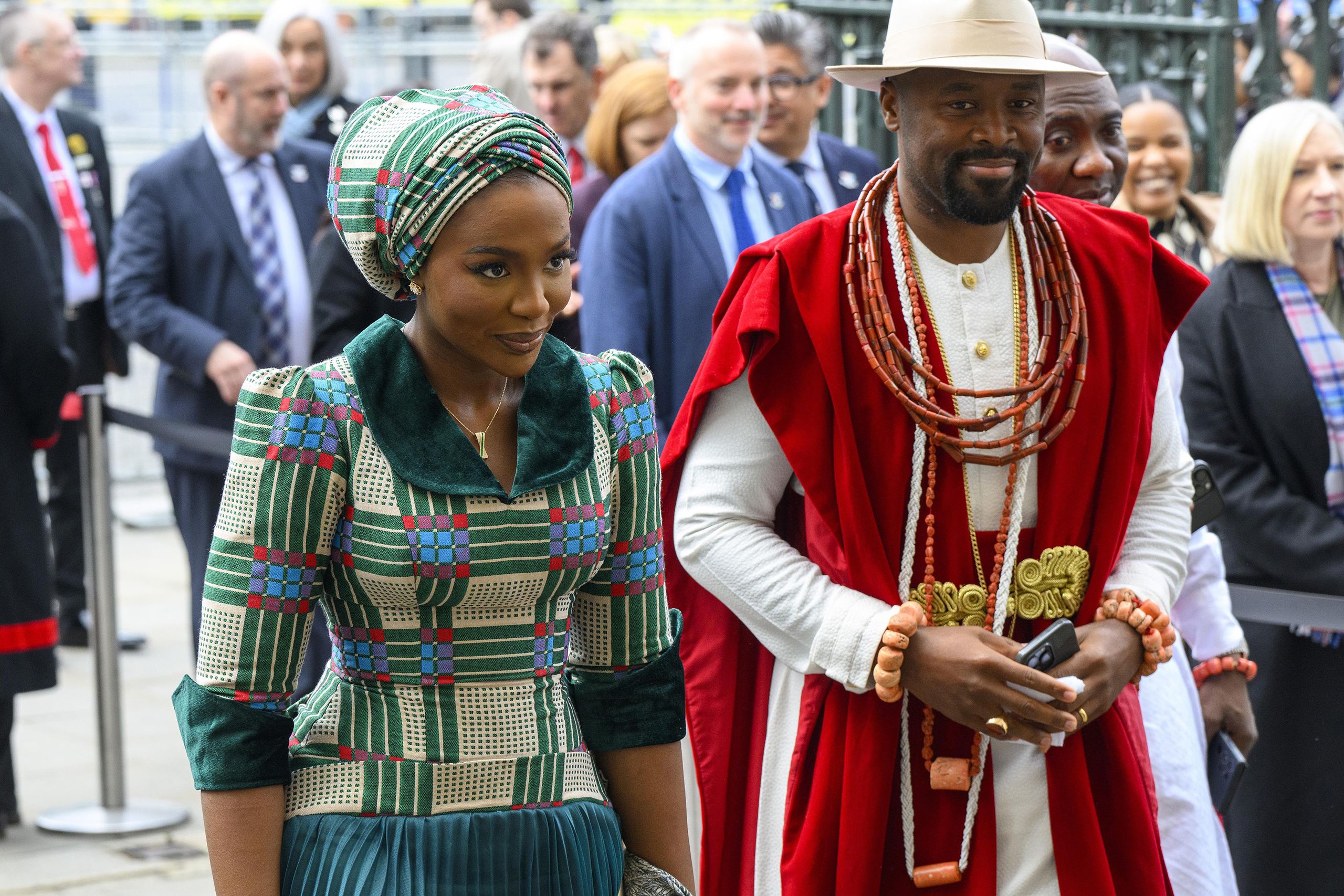
The King and Queen of the Warri Kingdom (in Nigeria), His Majesty Ogiame Atuwatse III and Her Majesty Olori Atuwatse III arrive at the annual Commonwealth Day service
The King and Queen of the Warri Kingdom (in Nigeria), His Majesty Ogiame Atuwatse III and Her Majesty Olori Atuwatse III arrive at the annual Commonwealth Day service
For Antigua and Barbuda, hosting the summit is both an honour and a responsibility. As one of 33 small states within the Commonwealth, it exemplifies the organisation’s commitment to amplifying voices that are often underrepresented in global decision-making.
Richards expresses confidence that the gathering will help position the Commonwealth as a more influential actor on the world stage. He hopes it will foster practical collaboration on shared challenges while showcasing the unique contributions of small island nations.
Beyond formal negotiations, the summit will also offer delegates a chance to engage with the country’s culture and people—reinforcing the human dimension of diplomacy.



A powerful message
At the heart of Richards’ vision for the Commonwealth is a simple but powerful message: unity.
In an era marked by fragmentation and uncertainty, his call resonates across borders. The Commonwealth, he suggests, provides a framework through which nations can address differences constructively, guided by shared values and mutual respect.
As Commonwealth Day transitions into the lead-up to CHOGM 2026, that message takes on renewed urgency. The months ahead will test the organisation’s ability to deliver on its promise—but they also offer an opportunity to reaffirm its role in shaping a more cooperative and connected world.
 Built with Shorthand